
The Three R’s: Responsible, Regenerative and Restorative Travel
Making thoughtful travel choices can create meaningful experiences for travelers while supporting the places they visit. At Travel Trip Solutions, we believe in responsible, regenerative, and restorative travel that respects local communities, protects natural environments, and encourages more mindful exploration.
What is Responsible Travel?
Responsible travel, also known as sustainable or eco-friendly travel, offers a multitude of benefits that extend far beyond the individual traveler. By making conscious choices to minimize negative impacts on the environment and local communities, responsible travelers contribute to the preservation of natural landscapes, wildlife, and cultural heritage. Participating in thoughtfully designed travel experiences is an excellent way to experience destinations while supporting ethical tourism practices and sustainable development.
This practice supports local economies by patronizing local businesses, fostering a sense of community, and encouraging cultural exchange and mutual respect. Additionally, responsible travel promotes environmental conservation by reducing waste, conserving resources, and encouraging the use of sustainable transportation, principles that support more sustainable tourism practices
Responsible travel enhances the travel experience, creating meaningful and authentic connections with the places visited and leaving a positive legacy for future generations. By choosing environmentally conscious travel experiences, travelers can enjoy memorable adventures while ensuring their journeys positively impact both people and the planet. Explore our responsible travel planning options to discover trips that align with your interests and travel preferences.

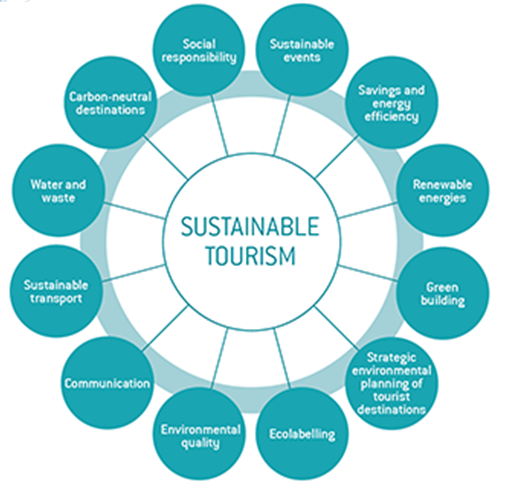
Beyond Responsible There is Regenerative Travel
Regenerative travel goes beyond sustainable tourism; it actively seeks to restore and rejuvenate the ecosystems and communities that travelers visit. Unlike traditional travel, which often focuses on minimizing harm, regenerative travel aims to leave destinations better than how they were found. This approach emphasizes giving back more than what is taken, ensuring that travel activities have a net positive impact. It also aligns closely with the principles of environmentally conscious exploration, where exploration and conservation go hand in hand.
Key aspects of regenerative travel include engaging in practices that enhance biodiversity, support local economies, and promote cultural heritage. Travelers are encouraged to participate in conservation efforts, support regenerative agriculture, and foster community-led tourism initiatives. Through deep, respectful interactions and contributions, travelers can contribute to the healing and thriving of natural and social environments while embracing the values of sustainable tourism.
Regenerative travel transforms tourism into a force for good, fostering resilience and sustainability for both the planet and its inhabitants. By embracing this approach, travelers can make a significant difference, leaving a positive legacy for future generations while enjoying meaningful and authentic connections with the places they visit. Through mindful travel experiences, every journey becomes an opportunity to create positive change while experiencing the world in a more meaningful way.
The Benefits of Restorative Travel
Restorative travel is a vacationing style that focuses on relaxation and rejuvenation, often in nature. It can help reduce stress, improve mental health, and increase productivity. By focusing on physical and mental restoration, this form of travel provides an opportunity to escape daily stresses, fostering a sense of tranquility and inner peace. As part of a more thoughtful approach to travel, restorative journeys encourage travelers to prioritize both personal well-being and environmental mindfulness.
Engaging in activities such as spa treatments, yoga retreats, and nature immersions can significantly reduce stress levels, improve mental clarity, and enhance overall health. Experiences are designed around an itinerary that promotes a slower pace, enabling travelers to interact with their surroundings and visit destinations in a more deliberate and thoughtful way. This mindful approach, which aligns with the principles of mindful and sustainable tourism, not only promotes personal well-being but also instills a greater appreciation for the environment and local cultures.
Restorative travel cultivates a harmonious balance between relaxation and exploration, leaving individuals feeling recharged and inspired. By embracing the principles of sustainable exploration, travelers can enjoy meaningful experiences that benefit both themselves and the destinations they visit. Ready to discover more places? Explore travel destinations around the world and find inspiration for your next journey.